Hobby gardening provides a number of physical and mental benefits. Regular time in the garden lowers stress, improves focus, encourages light exercise, and supports healthier diets through homegrown vegetables and herbs. Hobby gardening also strengthens community bonds as it allows people to spend quality time together and teaches children responsibility. This article will guide you through everything you need to know to become a hobby gardener, and why you need a backup generator UK.
How to Get Started
Here is how you can start a hobby gardening journey and get the most out of it:
- Choosing the Type of Garden
The first decision is to decide what kind of garden you want to grow, as this will guide everything that follows. There are different types of gardens to choose from. A flower garden brings colour and supports pollinators, while a vegetable garden provides food you can use at home. Herb gardens are smaller, quicker to grow, and practical for cooking. If outdoor space is limited, balcony gardens, container setups, or indoor plants are all effective alternatives. Making this choice at the beginning gives clarity on what materials, time, and space you will need.
- Assessing Space, Sunlight, and Soil Quality
After choosing the type of garden, take a close look at the area available. Notice how many hours of direct sunlight it receives, since most vegetables and flowers need six or more hours daily, while herbs and shade plants can also grow with less sunlight. Accessing soil conditions is also important. Good soil should drain well and feel balanced, not too sandy or heavy. If the soil is unsuitable, you can improve it with compost or consider raised beds and containers filled with quality soil. For indoor gardens, artificial lights and good potting mixes can help make up for limited natural light.
- Planning Layout and Selecting Beginner-Friendly Plants
Once you have the space and the conditions sorted, it’s time to move on to the planning stage. Sketch the whole layout of your desired DIY hobby greenhouse, which will help you see where each plant will go and ensure taller plants will not block light from shorter ones. Placing plants with the same water and light requirements next to each other simplifies daily care and lowers the chance of overwatering or shading problems. This approach also saves time because you can maintain these plants together without constant adjustments. Beginners are often successful with plants that grow quickly and do not demand complex care, such as lettuce, radishes, tomatoes, basil, mint, marigolds, or lavender. Choosing easy plants at the start allows you to learn the basics of watering, soil management, and harvesting while still seeing positive results early on.
Essential Tools for Gardeners
As a gardener, you have to rely on some essential tools that will help you maintain a successful garden. These tools include:
- Basic Tools
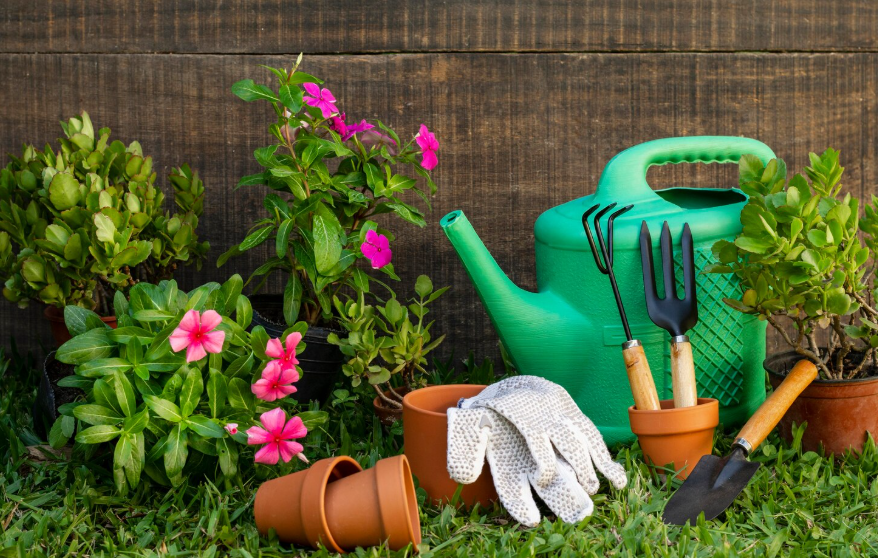
Every gardener benefits from a set of simple and reliable tools. Among these tools is a trowel, which is useful for planting seedlings and moving soil in small spaces. Pruners are also useful for hobby gardening as they help keep plants healthy by trimming stems and removing dead growth. Gloves protect your hands from thorns, while a watering can ensures controlled watering without damaging delicate plants. A spade is another essential item, allowing you to dig deeper holes, move larger amounts of soil, and prepare ground for planting.
- Optional Tools for Advanced Gardening
As your gardening skills grow, adding a few advanced tools can make the work more efficient. A hose is also helpful for advanced purposes, as it helps in watering larger spaces, especially when paired with an adjustable nozzle for different spray settings. A soil tester can also be handy, as it measures pH levels and soil nutrients, giving you a clearer idea of whether the ground is suitable for the plants you want to grow or if improvements are needed. These tools are not essential for gardening beginners, but they can make a noticeable difference as you take on more complex gardening projects.
Tips for Planting and Garden Care
As a beginner gardener, you will need to follow some essential tips that will make your garden stand out. These tips include:
- Soil Preparation and Composting Basics
The quality of the soil you use will determine the fate of your garden. Before putting in seeds or plants, loosen the ground and clear away weeds, rocks, and other debris. Adding organic matter, such as compost, enriches nutrients and improves drainage. Compost can be made at home from food scraps, leaves, and garden waste, giving you a simple and sustainable way to improve soil health. Well-prepared soil is also essential for keeping plants more resilient to drought and disease.
- Planting Techniques and Spacing Guidelines
Beginners tend to make simple mistakes regarding planting techniques that can eventually harm their garden and impact yield. For example, seeds and seedlings should always be placed at the depth recommended on their packets or labels, since planting too deep or too shallow can affect germination and stability. Leaving enough room between plants ensures they each receive proper sunlight, water, and nutrients. Good spacing also helps air move around the leaves, which reduces the chance of disease and encourages stronger growth.
To keep rows neat and evenly arranged, use simple tools such as string lines or small markers. This will not only improve the look of the garden but also make it easier to water, weed, and harvest later on. Thinking ahead about the space plants will need as they mature helps avoid overcrowding and reduces the need for replanting once growth has already begun.
- Watering Schedules and Methods for Different Plants
Watering is one of the most important parts of garden care, but the needs vary depending on the plant and growing conditions. Leafy vegetables such as lettuce and cucumbers need steady moisture to thrive, while succulents and drought-tolerant plants prefer drier soil. Paying attention to these differences helps avoid common mistakes.
Early mornings or late evenings are the best times for watering the plants, since cooler temperatures reduce evaporation. For large gardens, drip irrigation or soaker hoses are efficient options because they deliver water directly to the roots without wasting it on the leaves or surrounding soil.
However, it should also be kept in mind that overwatering is one of the most frequent problems new gardeners face. Always check soil moisture before adding more water to avoid fungal issues or weak root systems.
- Fertilizing and Mulching Tips
Fertilizers give plants the nutrients they require to grow steadily and produce better yields. A balanced mix containing nitrogen, phosphorus, and potassium supports strong leaves, root systems, and flowering or fruiting. Organic fertilizers are especially useful for beginners because they release nutrients slowly, improve soil structure, and enhance long-term fertility.
Mulching is another simple but highly effective practice. A layer of mulch around plants helps soil retain moisture, prevents weeds from spreading, and regulates ground temperature during hot or cold spells. Mulch also protects against erosion caused by wind or heavy rain, giving plants a more stable environment to grow.
- Seasonal Planting and Crop Rotation for Vegetables
Planting vegetables in the right season helps them grow steadily and produce better harvests. Vegetables grow best when planted in the right season. Cool-weather crops such as peas, spinach, and radishes perform well in spring and autumn, while tomatoes, peppers, and other heat-loving plants are better suited for summer.
Crop rotation is equally important for long-term soil health. Moving plant families to different beds each year prevents pests and plant diseases from building up and helps maintain nutrient balance. For instance, planting beans or peas after crops like cabbage or corn naturally restores nitrogen in the soil.
Keeping a seasonal calendar simplifies planning by showing when and where to plant throughout the year. Over time, this approach improves soil quality, strengthens plants, and leads to better yields.
Why You Might Need a Portable Power Station
Having a reliable portable power station for hobby gardening will solve a lot of electricity-related troubles many gardeners face. Here is how:
- Power Gardening Tools Anywhere
Many gardeners rely on electric trimmers, hedge cutters, or water pumps to maintain their spaces. A portable power station supplies electricity where outlets are unavailable, such as allotments, large backyards, or rural plots. It eliminates the need for long extension cords and provides freedom to move across different areas. Having reliable power at hand also supports workshops or sheds that are not connected to the main supply. With this flexibility, larger and more advanced gardening projects become easier to manage.
- Provide Lighting for Safety
Gardening often extends beyond daylight hours, particularly in summer when evenings are cooler and more comfortable to work in. Having proper lighting ensures that paths, beds, and work areas remain safe and visible. Portable power stations make it easy to run LED lamps or floodlights without relying on fixed wiring. Extra light not only helps with evening tasks such as watering or harvesting but also reduces the risk of accidents. In some gardens, lighting can even deter wildlife or pests that may damage plants overnight.
- Support Smart Garden Devices
Technology now plays a vital role in everyday gardening. Smart tools such as soil moisture sensors, automated irrigation systems, and climate monitors help maintain healthier plants, but they all need a steady power supply. A portable power station keeps these devices running reliably, even when access to mains electricity is limited. Consistent operation means water and nutrients are delivered at the right time, reducing waste and improving plant care. The data collected by smart devices also gives gardeners better insight into soil conditions and weather patterns, allowing for more accurate planning.
Jackery Explorer 2000 v2 Portable Power Station for Hobby Gardeners
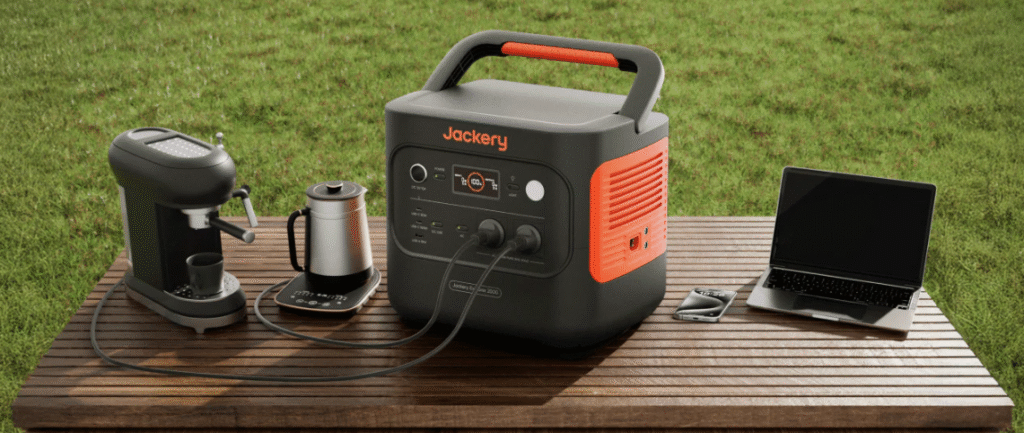
The Jackery Explorer 2000 v2 Portable Power Station offers a practical solution for hobby gardeners who want reliable power without depending on the grid. This power station portable comes with the following features:
- Reliable Power for Garden Tasks
Due to its capacity of 2042Wh and an output of 2200W, this portable power station can easily handle tools, indoor grow lights, and smart devices. It is strong enough to keep electric trimmers, pumps, or small appliances running for hours. You can also keep everyday items such as phones, cameras, and tablets charged using this portable power station, which is useful if you track planting schedules or monitor conditions with online apps.
- Compact and Easy to Move
Compared to bulkier power backup systems, the Jackery Explorer 2000 v2 Portable Power Station is built for high portability. Since the power station only weighs 38.6 lbs and is equipped with a foldable handle, it can be moved between garden zones or transported to allotments without difficulty. Its smaller size compared to similar units makes it a good choice for gardeners who want power without extra weight or storage issues.
- Fast and Flexible Charging
The Jackery Explorer 2000 v2 Portable Power Station offers multiple ways to recharge. It can be fully charged through a wall socket in less than two hours using its emergency fast-charge feature. When paired with solar panels (400W solar input), it also provides renewable energy, restoring its capacity in roughly 5.5 hours.
- Built for Safety and Durability
Jackery has equipped this model with its ChargeShield 2.0 system, which includes 62 layers of safety protection to prevent overloads, overheating, or unstable voltage. The unit also uses a LiFePO4 battery, known for its long lifespan of up to ten years of regular use. Its quiet operation, under 30 decibels, ensures it can run in greenhouses or near seating areas without disturbing the surroundings.
Wrapping-Up
Gardening as a hobby is rewarding in many ways, from improving personal health to strengthening family and community ties. With the right planning, tools, and care, even beginners can create a thriving garden. A portable solution like the Jackery Explorer 2000 v2 Portable Power Station ensures that hobby gardeners can work with ease, stay connected, and keep their gardens productive in every season.