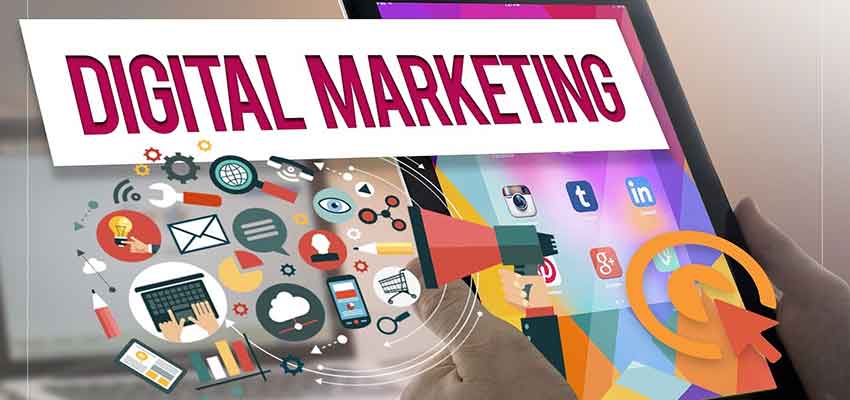
In today’s fast-paced digital landscape, businesses face the constant challenge of staying ahead in marketing efforts while managing multiple campaigns across various platforms. The right digital marketing tool can streamline processes, improve targeting, and enhance campaign performance. With an overwhelming number of options available, selecting the perfect tool for your strategy is both crucial and challenging. This article will guide you through the process of choosing the right digital marketing tools and leveraging AI marketing tools to maximize your results.
Understanding Your Marketing Needs
Before exploring the sea of digital marketing tools, it is essential to clearly define your marketing objectives. Are you looking to boost social media engagement, improve email campaign performance, or generate higher-quality leads? Each tool serves a specific purpose, so knowing your goals will help you narrow down options.
For example, if your main focus is content creation and scheduling, you may need tools with robust content management and automation features. On the other hand, if your priority is data-driven decision-making, analytical tools that provide actionable insights and reporting capabilities will be more valuable. Mapping out your marketing objectives also helps you determine your budget and team requirements.
Features to Look for in Digital Marketing Tools
Not all digital marketing tools are created equal. To make the best choice, consider the following features:
Analytics and Reporting: Effective tools provide detailed reports on campaign performance. Tracking metrics like engagement, conversion rates, and ROI is critical for making informed decisions.
Automation Capabilities: Marketing automation saves time and ensures consistency. Look for tools that allow scheduling, automated responses, and workflow management.
Integration Options: A tool that integrates with your existing systems, such as CRM platforms, email services, or e-commerce platforms, can simplify operations and data management.
User-Friendly Interface: Complex tools can slow down your marketing efforts. Choose solutions that are easy to navigate and provide clear instructions.
Scalability: Your business will grow over time, and so will your marketing needs. Select tools that can scale with your campaigns without compromising performance.
Leveraging AI Marketing Tools for Better Results
AI marketing tools have transformed how businesses approach digital marketing. They use machine learning algorithms to analyze large datasets, predict trends, and optimize campaigns in real-time. Here are some ways AI marketing tools can enhance your strategy:
Personalization: AI can segment your audience and deliver personalized content, improving engagement and conversion rates.
Predictive Analytics: By analyzing past behavior, AI can forecast future trends and recommend strategies to improve ROI.
Content Creation: Some AI marketing tools assist in generating content ideas, writing copy, or even designing visuals, saving significant time for marketers.
Chatbots and Customer Interaction: AI-powered chatbots can provide instant support, answer queries, and collect valuable customer data.
Ad Optimization: AI tools can optimize ad placements and budgets, ensuring you get the most out of every campaign dollar.
Evaluating the Total Cost of Ownership
While some digital marketing tools offer free versions or trial periods, it is important to evaluate the total cost of ownership. Consider subscription fees, training costs, and any additional charges for premium features. Investing in a slightly higher-priced tool with better functionality can often save money in the long run by improving efficiency and outcomes.
Trial and Testing Before Commitment
Before fully committing to any digital marketing tool, take advantage of free trials or demos. Testing tools with real campaign data allows you to understand usability, integration capabilities, and whether the features align with your strategy. Collect feedback from your marketing team and identify any potential challenges that could arise with long-term use.
Security and Data Privacy Considerations
In the digital age, data security is paramount. Ensure that any digital marketing tool you choose complies with data protection regulations and maintains strong security protocols. This protects both your business and your customers from potential breaches.
Staying Updated with Emerging Tools
The world of digital marketing is constantly evolving. New tools and AI marketing tools emerge regularly, offering innovative features and improved performance. Staying updated through industry news, webinars, and professional communities ensures you are always aware of tools that could give your campaigns a competitive edge.
Balancing Simplicity and Functionality
While feature-rich tools can be enticing, avoid overcomplicating your marketing stack. Sometimes simpler tools that effectively serve your core needs deliver better results than complex solutions with features you may never use. Focus on choosing tools that enhance productivity and strategy without overwhelming your team.
Final Thoughts
Choosing the right digital marketing tool is more than just picking a popular platform. It requires understanding your business goals, evaluating features, considering cost, testing, and staying informed about emerging technologies. By thoughtfully selecting tools and incorporating AI marketing tools into your strategy, you can streamline operations, gain deeper insights, and ultimately achieve more successful campaigns.
A strategic approach to selecting digital marketing tools ensures that your marketing efforts are not just efficient, but also adaptive, personalized, and results-driven. As your business grows and evolves, the right combination of tools will empower your team to stay ahead in an increasingly competitive digital environment.