Introduction & Background
In today’s fast-evolving digital landscape, the silent architects of technology are often overlooked. Computer hardware, the tangible backbone of every computing system, holds immense power that shapes our digital experiences. From gaming rigs that push visual boundaries to enterprise servers crunching vast datasets, hardware innovations drive performance to new heights. As software evolves, so too must the physical components that power it, demanding smarter, faster, and more efficient designs. Understanding the hidden power of computer hardware is not just for engineers or tech enthusiasts, but for anyone seeking to harness the full potential of modern computing. This article explores how cutting-edge hardware components are unlocking next-generation performance, transforming industries, and redefining what is possible in the digital world.
Concept & Overview
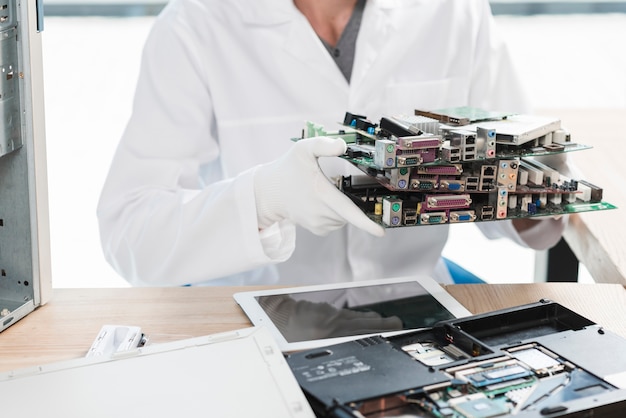
At its core, computer hardware refers to the physical components of a computer system that work together to execute tasks, process data, and deliver results. Unlike software, which is intangible and operates through code, hardware consists of tangible parts like processors, memory units, storage devices, and input-output interfaces. The concept of hardware performance revolves around efficiency, speed, and reliability. Modern advancements focus on miniaturization, energy efficiency, and parallel processing capabilities. These enhancements enable devices to perform complex calculations at unprecedented speeds while consuming less power. The synergy between hardware components is what unlocks true computational power, allowing systems to handle real-time analytics, artificial intelligence, and immersive virtual experiences with ease. As technology progresses, so does the sophistication of hardware, turning once-unthinkable feats into everyday realities.
Key Features & Highlights
- Advanced Processors: Modern CPUs and GPUs feature multi-core architectures and high clock speeds, enabling parallel processing and faster execution of complex tasks.
- High-Speed Memory: RAM modules with low latency and high bandwidth ensure smooth multitasking and rapid data access, critical for gaming, content creation, and scientific computing.
- NVMe Storage Solutions: Solid-state drives using NVMe technology offer lightning-fast read and write speeds, drastically reducing boot times and file transfer durations.
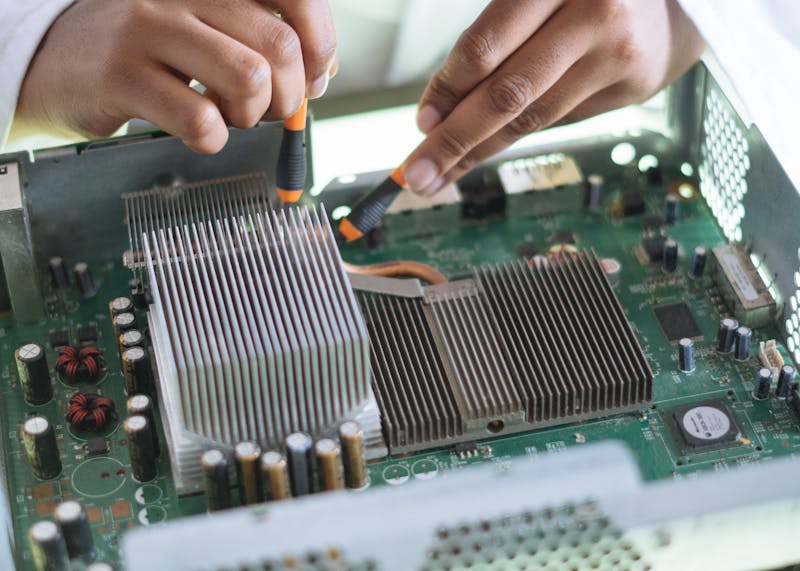
- Cooling Systems: Innovative cooling solutions, including liquid cooling and heat pipes, maintain optimal operating temperatures to prevent thermal throttling and extend component lifespan.
- Power Efficiency: Energy-efficient hardware designs, such as those using 7-nanometer process nodes, reduce power consumption while delivering superior performance, crucial for data centers and portable devices.
- Enhanced Connectivity: High-speed interfaces like Thunderbolt 4 and PCIe Gen 5 enable seamless data transfer and support for multiple high-resolution displays and peripherals.
- Scalability: Modular hardware designs allow users to upgrade individual components, ensuring long-term relevance and adaptability to evolving software demands.
Frequently Asked Questions / Pros & Cons
What makes modern processors so powerful compared to older generations?
Modern processors benefit from smaller transistor sizes, improved architecture, and advanced instruction sets. Smaller transistors allow more cores to fit on a single chip, enhancing parallel processing. Additionally, innovations like hyper-threading and thermal design optimizations contribute to higher performance and energy efficiency.
Are NVMe SSDs significantly faster than traditional SATA SSDs?
Yes, NVMe SSDs are significantly faster because they connect directly to the PCIe bus, bypassing the slower SATA interface used by traditional SSDs. This direct connection enables data transfer rates that can reach several gigabytes per second, compared to a few hundred megabytes per second for SATA SSDs.
Pros and Cons of Liquid Cooling Systems
Pros:
- Superior heat dissipation compared to air cooling, especially under heavy loads.
- Quieter operation due to reduced fan noise.
- Enables higher overclocking potential without risking thermal damage.
Cons:
- Higher initial cost and complexity of installation.
- Potential for leaks if the system is not properly maintained.
- Requires periodic monitoring and coolant replacement.
Can upgrading hardware improve gaming performance?
Yes, upgrading hardware such as the GPU, CPU, or RAM can significantly enhance gaming performance by allowing higher frame rates, better graphics settings, and smoother gameplay. A powerful GPU is particularly important for rendering high-resolution textures and complex visual effects.
Practical Guidance & Solutions
To fully unleash the power of your computer hardware, start by assessing your current system and identifying bottlenecks. If your goal is gaming, prioritize upgrading your GPU and CPU to handle the latest titles at high settings. For content creators, focus on increasing RAM capacity and opting for fast NVMe storage to reduce rendering times. Consider investing in efficient cooling solutions to maintain stable performance during intense workloads.
For those looking to build a new system, select components that complement each other in terms of performance and power efficiency. Pay attention to compatibility, ensuring that your motherboard supports the latest PCIe standards and that your power supply unit can handle the total wattage of your components. Regular maintenance, such as cleaning dust from fans and updating drivers, also plays a crucial role in sustaining peak performance.
For businesses managing large-scale computing needs, consider upgrading to high-performance servers with redundant power supplies and advanced cooling systems. Cloud-based solutions and hybrid architectures can further optimize resource allocation and scalability. By staying informed about the latest hardware trends and adopting a proactive approach to system upgrades, users can maintain a competitive edge in both personal and professional computing environments.
Conclusion
The hidden power of computer hardware lies not just in its raw specifications, but in its ability to transform ideas into reality. As technology continues to advance, hardware will remain the driving force behind innovation, enabling breakthroughs in artificial intelligence, virtual reality, and beyond. By understanding the core features of modern components and making informed upgrade decisions, users can unlock unparalleled performance and efficiency. Whether you are a gamer seeking immersive experiences, a professional managing data-heavy tasks, or simply someone passionate about technology, the potential of next-gen hardware is within reach. The future of computing is not just about faster processors or larger storage, but about creating systems that are smarter, more adaptable, and capable of shaping the world in ways we are only beginning to imagine.